AI Voice Cloning Scams: How Scammers Use Deepfakes to Steal From Families
 Three Rivers Star Foundation
Scammers clone voices with just three seconds of audio, achieving 85-95% accuracy to impersonate loved ones. They harvest voice data from social media and data brokers, then exploit family bonds through fake emergencies—demanding money fast. One grandmother lost $8,000 in minutes. We’re seeing this happen thousands of times. Establish a family code word. Verify callbacks directly. Use security questions only relatives know. These simple steps work. But the real protection strategies? They’re waiting for you ahead.
A Grandmother’s $8,000 Loss: One Story Among Thousands

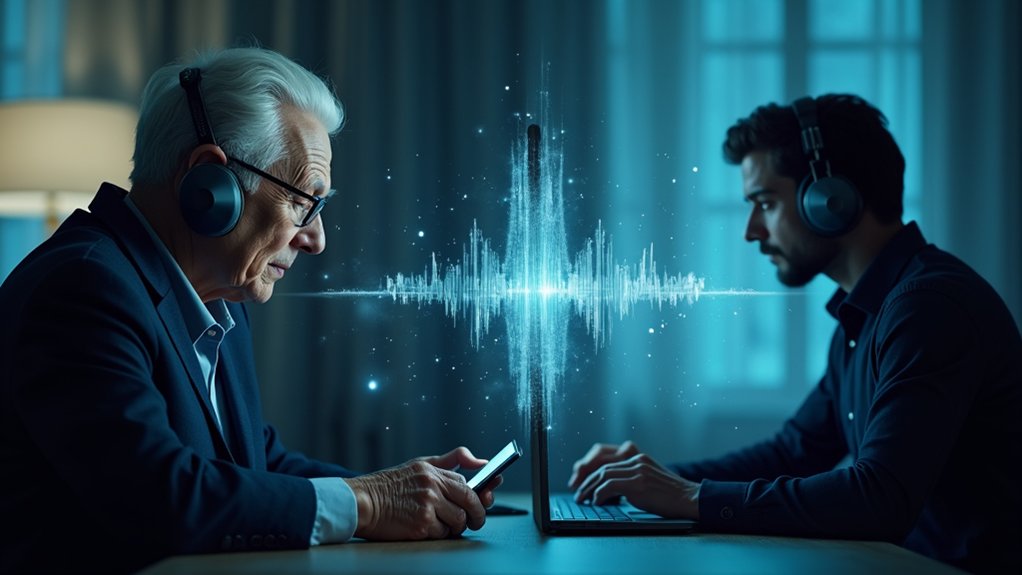
Every day, scammers use stolen voices to trick families out of thousands of dollars. A grandmother received a call from what sounded like her grandson. He was crying. He’d been in a car accident and needed bail money immediately. She wired $8,000 before checking facts. The voice wasn’t her grandson. It was a deepfake.
We’re seeing this everywhere now. One in ten adults globally fell for AI voice scams. Seventy-seven percent lost money. Adults over sixty face forty percent higher risk.
Scammers need only seconds of audio from social media videos to create convincing voice clones through AI voice cloning technology. Here’s what we need: emotional resilience and preventive measures. Verify requests through a second contact method. Never wire money based on voice calls alone. Ask security questions only callers would know.
Stay skeptical. Stay safe. Scammers are counting on our trust.
The Technology Behind Voice Cloning: How Scammers Create Convincing Fakes
While we’ve heard heartbreaking stories like that grandmother’s $8,000 loss, the real danger lies in understanding exactly how scammers pull off these convincing fakes. They need just three seconds of your voice. That’s it.
Three seconds harvested from social media or data brokers like Whitepages yields an 85% voice match. More audio? Ninety-five percent accuracy.
Voice synthesis technology has gotten terrifyingly good. Scammers grab your voice, feed it into AI tools requiring only basic experience, and create deepfakes that bypass traditional filters.
Deepfake ethics? They don’t factor in. The technology integrates seamlessly with phishing tactics.
Your loved one’s voice calls requesting emergency funds. You hear them. You believe them. The clone sounds real because it is—just not who you think.
Why 70% of People Can’t Tell the Difference Between Real and Cloned Voices
How does a scammer’s clone fool you when you’d recognize your own mother’s voice?
We can’t tell the difference. Here’s why our consumer confidence crumbles:
- Brain patterns fail us. Our brains process familiar voices on autopilot, missing subtle AI artifacts that don’t sound quite right yet sound real enough.
- Emotional hijacking works. When your “son” screams he’s in jail, your rational mind shuts down. Voice cloning exploits panic.
- Technology’s gotten terrifyingly good. Just three seconds of audio creates an 85% voice match. More audio? 95% accuracy.
- We’re not trained detectors. Most of us never learned what cloned voices actually sound like.
Seventy percent of us can’t distinguish real from fake. That’s not weakness. That’s a design problem.
Most of us can’t spot a cloned voice. That’s not a personal failing—it’s a systemic vulnerability we all share.
We’re fighting technology with untrained ears. Your skepticism won’t save you here.
Red Flags That Signal You’re Speaking to a Deepfake
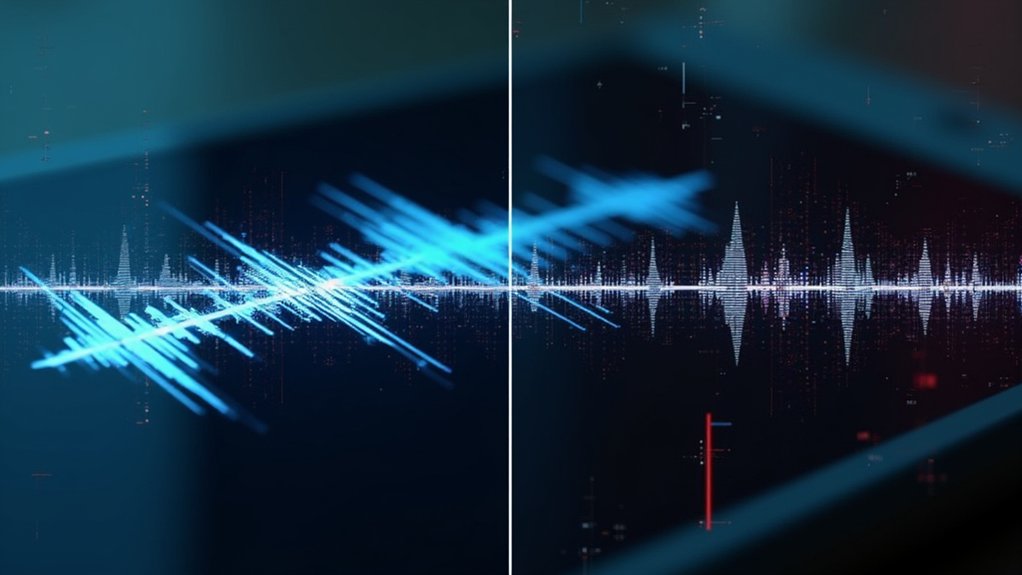
Your instinct screams “something’s off,” but you can’t quite name it. That’s deepfake detection working.
Listen for these red flags: sudden urgency in their voice. Requests for money happen fast. The person sounds slightly robotic or has odd pauses between words. Background noise feels artificial or missing entirely. They won’t answer personal questions only the real person knows.
Your emotional resilience matters here—don’t let panic override logic. Ask them to call you back at a number you verify independently. Hang up. Breathe. Real loved ones won’t rush you during emergencies.
Sixty percent of us catch clones when we actually pay attention. You’re stronger than you think. Trust that gut feeling.
The Targeting Strategy: Why Families Are the Primary Victims
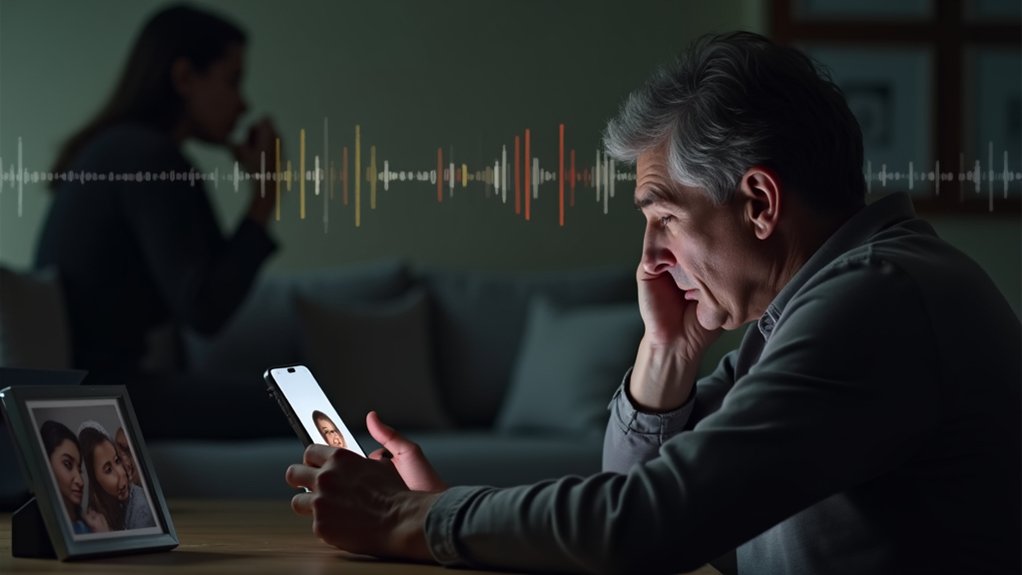
We’re watching scammers weaponize what we love most—our families—by cloning voices of people we’d move mountains for in emergencies.
They’re harvesting our voices from social media and data brokers, then calling with urgent pleas: a child needs bail money, a grandparent’s in an accident, someone’s been robbed and needs cash now.
We’ve got to recognize that 53% of us share voice data online weekly without realizing criminals are collecting it, and we need to stop, verify through another contact method, and never send money based on a voice call alone.
Emotional Manipulation Through Kinship
Because scammers know that love makes us vulnerable, they’ve weaponized our deepest relationships—targeting families with cloned voices of people we’d move mountains for.
When a parent hears their child’s voice crying for bail money, emotional triggers override logic. Familial bonds create the perfect storm for manipulation. We don’t question. We act.
Scammers exploit these pressure points deliberately:
- Urgency. “I’m in jail. Send money now.”
- Shame. “Don’t tell Mom and Dad.”
- Fear. Creating fake emergencies like accidents or robberies.
- Authority. Impersonating trusted family decision-makers.
Adults over 60 face 40% higher vulnerability. The median loss? $1,400 per victim. One parent transferred $5,000 within minutes.
Your defense: Verify independently. Call back using known numbers. Pause before sending anything. Love shouldn’t cost your life savings.
Urgency Tactics and Financial Pressure
Time collapses when scammers strike. A child’s voice cracks with panic. “Mom, I’ve been in an accident. I need bail money. Now.” Your heart races. Your hands shake. You’ve got minutes to act—or so they claim.
We’re watching urgency tactics devastate families. Scammers create artificial time pressure, forcing rushed decisions without verification. The median loss per victim hits $1,400. Some families lose $5,000 to $15,000 in single calls.
Financial threats escalate quickly. “Send money or consequences follow.” Threats against loved ones compound the pressure. Adults over 60 face 40% higher vulnerability to these manipulations.
Here’s what we must do: pause. Verify through a second contact method. Call your child back directly. Question unusual requests. Urgency isn’t your enemy—hesitation is your weapon.
Harvesting Voice Data Vulnerability
Your child’s voice is already out there. We don’t realize how exposed our families are until it’s too late. Scammers harvest voice data from everywhere we post online, targeting our vulnerability without asking permission.
Here’s where your family’s voice lives:
- Social media videos and voice messages shared publicly
- Data broker websites like Whitepages and Spokeo selling personal information
- School recordings and public events captured permanently
- Old voicemails and answering machine greetings archived online
Three seconds of audio gives scammers an 85% voice match. More footage means 95% accuracy.
Voice data ethics? Forgotten. Privacy concerns? Ignored by criminals who don’t care about consequences.
We’re broadcasting our children’s voices daily without understanding the deepfake danger ahead.
How Scammers Harvest Your Voice From Social Media and Data Brokers

Our voices are everywhere—on TikTok, YouTube, LinkedIn, and even old voicemails stored by data brokers like Whitepages and Spokeo that we didn’t know were selling our audio.
Scammers need just three seconds of your voice to create an 85% match, pulling clips from social media posts, video testimonials, and public profiles while we’re busy living our digital lives.
We’ve got to lock down our privacy settings now, avoid posting long voice messages online, and check what data brokers have collected about us before criminals do.
Social Media Voice Harvesting
While you’re posting videos, sharing voice messages, or calling into radio shows, scammers are listening and recording—turning your own voice into a weapon against you.
They’re hunting everywhere.
Here’s where they’re collecting your voice:
- Social media platforms where you upload videos, TikToks, and voice clips daily
- Data brokers like Whitepages and Spokeo selling your recorded information
- Public databases storing your voicemails, interviews, and customer service calls
- Voice recognition advancements making identification easier than ever before
Just three seconds of your audio creates an 85% accurate clone.
More footage? They get 95% accuracy.
Social media retargeting makes this worse—scammers know exactly who to target.
Your grandmother’s phone rings. Your child’s voice pleads for bail money. It’s you. Except it’s not.
Delete old videos. Limit voice sharing. Adjust privacy settings now.
Data Broker Vulnerabilities Exposed
Data brokers aren’t protecting your voice—they’re selling it. Companies like Whitepages and Spokeo harvest your audio from social media, phone records, and public databases without meaningful consent. They sell this data to anyone willing to pay. Scammers buy your voice clip for pennies. Within seconds, they’ve cloned it perfectly.
| Data Source | How They Access It | What They Steal |
|---|---|---|
| Public videos | 3-second clips | |
| Audio posts | Professional tone | |
| Whitepages | Phone records | Full conversations |
| Spokeo | Public databases | Voice patterns |
| YouTube | Unlisted uploads | Complete samples |
We need stronger data broker security and privacy regulations now. Your voice isn’t a commodity. Demand transparency. Request your data. Delete old recordings. Protect what’s uniquely yours before criminals weaponize it against your family.
Audio Collection Prevention Strategies
How quickly can scammers build a perfect copy of your voice? Just three seconds.
That’s all they need from your social media videos, voicemails, or data broker sites like Whitepages and Spokeo. They’re harvesting audio right now.
We must protect our family communication and implement audio security measures immediately:
- Delete old voicemails and video posts containing clear speech
- Adjust privacy settings on all social platforms to friends-only
- Opt out of data broker sites that sell your voice data
- Never share audio messages with unknown contacts
Scammers don’t need permission. They don’t need your cooperation. They’re collecting fragments of you constantly.
Your voice is vulnerable. Your family’s safety depends on action today, not tomorrow. Lock down your audio now.
The Emotional Manipulation Tactic: Urgency and Fear as Weapons

Because scammers know that fear makes people act faster than reason, they’ve weaponized urgency into their deadliest tool. We’re watching emotional vulnerability become the entry point for trust exploitation.
| Scenario | Time Pressure | Emotional Hook |
|---|---|---|
| Child arrested | “Need bail NOW” | Parental panic |
| Car accident | “Hospital bills due today” | Desperation |
| Job loss threat | “Account frozen immediately” | Financial terror |
| Medical emergency | “Surgery costs mounting” | Life-or-death stakes |
| Robbery victim | “Send money to escape” | Helplessness |
The scammer calls. Your loved one’s voice. Your stomach drops. You don’t think. You act. That’s exactly what they want.
We need to pause. Verify independently. Ask security questions. Make separate calls using known numbers. Don’t let panic hijack your decision-making. Your caution saves lives.
Protection Step 1: Establish a Family Code Word System

While your loved one’s cloned voice pleads for money on the phone, you have seconds to decide: trust your gut or trust a voice?
In seconds, you must choose: trust your instincts or trust a voice? The answer could save everything.
We need a family defense system. Now.
A code word stops scammers cold. It’s emotional resilience wrapped in four syllables.
Here’s how we protect ourselves:
- Pick one word only your family knows—not birthdays or pet names
- Use it in every urgent call about money or emergencies
- Practice saying it naturally during normal conversations
- Never share it online or with anyone outside your immediate circle
Family communication becomes your strongest weapon.
When Grandma calls panicked about bail money, you ask for the code word.
No code? Hang up immediately. Verify through a different phone number.
This simple barrier separates real emergencies from deepfake theft.
We’re not paranoid. We’re prepared.
Protection Step 2: Implement a Callback Verification Protocol

A code word buys you seconds. But seconds aren’t enough. We need callback verification, a protocol implementation that stops scammers cold.
Here’s what happens: Someone calls claiming emergency. Your heart races. Your hands shake. You want to help. Don’t. Hang up immediately. Call back using a number you know is real—your family’s actual phone, not one the caller provided.
This simple step works because scammers can’t intercept your outgoing call. They control the incoming line only. We’ve seen it prevent losses repeatedly. One family avoided a $15,000 wire transfer by hanging up and calling back.
Protocol implementation matters most during pressure moments. When fear clouds judgment, predetermined callback procedures become your shield. Make the call yourself. Verify the person. Then decide.
Protection Step 3: Use Security Questions Only Family Members Know
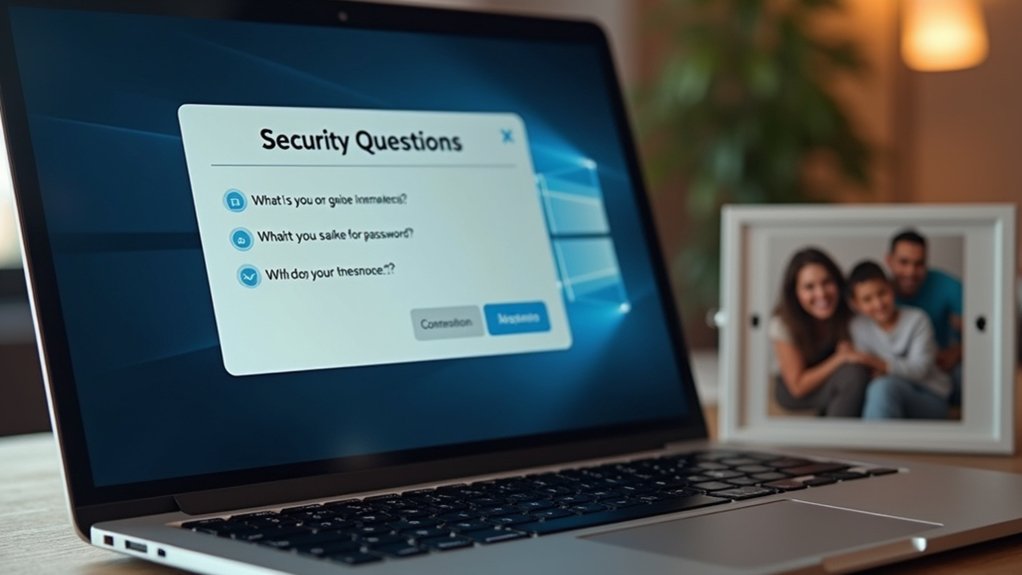
We’ve got to create security questions that only real family members can answer—questions about childhood memories, pet names, or inside jokes that no scammer can find on social media or data broker sites.
When someone calls claiming to be your child or parent, we’re asking these questions before we share any information or move any money.
This simple step stops the deepfake voice cold because the scammer won’t know that your daughter’s first dog was named Biscuit or that your family always vacationed at Lake Michigan every August.
Create Unique Family Questions
How well do you really know your family? Scammers don’t care. They’ll clone your loved one’s voice in seconds. You need defenses they can’t fake.
Create security questions only your family knows. Make them specific. Make them personal. Here’s what works:
- Ask about childhood pet names or embarrassing moments only true family recalls.
- Request details about family vacations, inside jokes, or memorable disasters.
- Require answers about relatives’ birth dates or nicknames used only at home.
- Demand descriptions of shared experiences that deepfakes can’t replicate.
Don’t use public information. Social media reveals too much.
When someone calls claiming emergency, ask these questions before responding. Require family response confirmation through multiple channels. Voice identification alone fails now. Verify through text or video call separately. That pause? It saves thousands.
Verify Before Sharing Information
Your brother’s voice asks for $3,000 for bail money. You’re panicked. But stop. Don’t send anything yet.
We need verification practices before sharing information or money. Ask questions only your family knows. Real family members will answer correctly. Scammers won’t. This is your trust systems defense.
Demand specific details. What color was your childhood bedroom? What’s your pet’s name? Who’d you take to prom? Questions should require genuine memories, not quick Google searches.
Make this a family rule now. Tell relatives to expect these security questions during emergencies. When panic hits, verification slows you down—and that pause saves thousands.
Voice cloning fools 77% of victims into losing money. Don’t become another statistic. Verify. Wait. Confirm.
Why Acting Now Matters: The Escalating Threat of AI Voice Scams

As criminals refine their tools and victims lose billions, the window to protect ourselves narrows fast.
We’re facing an unprecedented crisis. Deepfake vishing surged 1,633% in just three months. One in ten adults globally fell victim already.
Here’s why we can’t wait:
- $40 billion in projected losses demand immediate AI fraud prevention measures and investment
- 77% of victims lost money, proving detection gaps exist even with voice recognition advancements
- Adults over 60 face 40% higher risk, requiring urgent family protection strategies now
- 3 seconds of audio creates 85% voice matches, showing how quickly scammers operate
The threat accelerates daily.
We’re not being paranoid.
We’re being realistic. Acting now isn’t optional. It’s survival.
People Also Ask
What Should I Do if I’ve Already Lost Money to a Voice Cloning Scam?
We recommend you report the scam immediately to your bank and local law enforcement for recovery steps. Seek emotional support through trusted friends or counseling services. Document all communications for investigation purposes.
Are There Legal Consequences for Criminals Who Create Deepfake Voice Scams?
Yes, criminals face serious legal ramifications and criminal charges for deepfake voice scams, including wire fraud, identity theft, and conspiracy charges. We’re seeing increased prosecution efforts globally as laws evolve.
Which Organizations or Platforms Are Most Frequently Targeted by Scammers?
We’re witnessing an absolutely terrifying crisis: scammers relentlessly target banks, financial institutions, nonprofit organizations, and social media platforms. They’re harvesting voice data everywhere we share it online, exploiting our trust catastrophically.
Can Banks and Financial Institutions Detect and Block Deepfake Vishing Calls?
We’ve found that banks struggle detecting deepfake vishing calls despite implementing voice recognition technology and fraud detection measures. Clones bypass traditional filters, making prevention challenging for financial institutions today.
What Insurance or Financial Compensation Options Exist for Deepfake Scam Victims?
We’re discovering that insurance coverage remains frustratingly limited for deepfake victims. Most policies won’t cover these losses, leaving financial recovery nearly impossible without legal action or direct bank negotiations.
The Bottom Line
We’re losing thousands to voices we thought we knew. Your grandmother’s $8,000 isn’t unique—it’s a pattern. Every day, scammers steal more because we wait. But here’s what works: create a family code word today. Call back using known numbers. Ask security questions only you’d answer. These three steps stop most attacks. Don’t delay. Tomorrow might be too late for someone you love.
Three Rivers Star Foundation recognizes that AI voice cloning scams exploit our trust in technology and family bonds. Through targeted prevention education, the foundation teaches families how to identify deepfake threats, implement protective communication strategies, and report suspicious activity. By funding awareness campaigns and community workshops, Three Rivers Star Foundation equips vulnerable populations with the knowledge to defend against this evolving threat.
Your donation funds prevention education. Donate.
References
- https://deepstrike.io/blog/vishing-statistics-2025
- https://www.cloaked.com/post/stopping-ai-voice-cloned-scams-in-2025-a-family-focused-guide-to-cloaked-call-guard-data-removal
- https://tech-adv.com/blog/ai-cyber-attack-statistics/
- https://www.mcafee.com/blogs/privacy-identity-protection/artificial-imposters-cybercriminals-turn-to-ai-voice-cloning-for-a-new-breed-of-scam/
- https://us.norton.com/blog/online-scams/top-5-ai-and-deepfakes-2025
- https://www.feedzai.com/pressrelease/ai-fraud-trends-2025/
- https://right-hand.ai/blog/deep-fake-vishing-attacks-2025/
- https://sift.com/index-reports-ai-fraud-q2-2025/