
Fake Job Offers: How Scammers Exploit Desperate Job Seekers
 Three Rivers Star Foundation
Scammers are targeting desperate job seekers with fake offers that promise high pay and quick hiring. In 2025, one in four job seekers fell victim, losing $5,000 on average. They demand upfront fees, steal your Social Security number, and exploit your personal information for identity theft lasting years. Warning signs include rushed timelines, requests for money before work, and generic job descriptions. Before accepting any offer, verify directly through official company websites and contact the Better Business Bureau. Understanding these tactics reveals what you’re truly up against.
The Real Cost of a “Too Good to Be True” Opportunity

When a recruiter texts you a job offer paying $28 an hour for part-time work from home, your heart races. You’ve found it. The dream gig.
But wait. That’s exactly what scammers want you to feel. The real cost extends far beyond the $5,000 average loss per victim. Hidden consequences arrive later.
Identity theft. Fraudulent loans opened in your name. Tax return fraud filed by criminals using your stolen information. One victim worked weeks unpaid, then discovered their Social Security number was already compromised.
In 2025, one in four job seekers fell for these traps. The financial damage is real. The emotional toll is real. Economic downturns heighten vulnerability to these schemes, making desperate individuals even easier targets for sophisticated scammers.
Verify independently through official company websites and official phone numbers before sharing anything personal.
Understanding the Four Most Common Job Scam Schemes

We’ve got to talk about the schemes that’re stealing jobs and money from real people like you.
Scammers use four brutal tactics: they demand upfront fees for “training,” they steal your identity through fake applications, they run fake interviews that look completely legit, and they send professional-looking offer letters before you’ve actually been hired.
Know these tricks now, and you won’t become another statistic in the nearly $300 million lost in 2025 alone.
Advance Fee Payment Schemes
How does a scammer turn a job offer into cash they pocket before you ever work a single day? They request advance fees.
Here’s how this scam awareness nightmare unfolds:
- Training materials cost $200–$500 upfront
- Equipment fees disguised as “startup costs”
- Background check processing charges before employment begins
You’re excited. The job seems perfect. Then comes the request: send money now, get hired later.
You don’t. They vanish. Your money’s gone.
This isn’t theoretical. In 2025, victims lost nearly $300 million to job scams. The average hit? Nearly $5,000 per person.
Don’t pay anything. Ever. Legitimate employers cover their own costs. If they’re asking for your money first, it’s fraud. Full stop.
Credential Theft and Identity Fraud
The real damage from a fake job offer doesn’t stop when the scammer disappears with your money. They’ve stolen your identity. Your Social Security number, driver’s license, and bank details now fuel their next scheme.
| What They Steal | What They Do | Your Risk |
|---|---|---|
| Social Security number | Open credit accounts | Debt in your name |
| Driver’s license | File tax returns | Years of fraud detection |
| Bank information | Create synthetic identities | Destroyed credit score |
Scammers blend real data with fake information. They build entirely new personas. These synthetic identities operate undetected for months, sometimes years.
We need credential monitoring immediately. Identity protection services aren’t luxuries—they’re essentials now. Check your credit reports today. Freeze your accounts. Act fast. Your future depends on it.
Fake Interview and Offer Tactics
Scammers craft fake interviews so convincing that victims don’t realize they’re being manipulated until weeks later. We’ve seen their interview tactics evolve dramatically through AI-generated conversations and professional-looking offer manipulation.
Here’s what happens:
- Fake video interviews where “hiring managers” ask standard questions, building false trust before requesting personal data.
- Professional offer letters arriving via email with company logos and detailed salary packages that seem legitimate.
- Urgent deadlines pressuring you to act fast, accept positions, or pay “equipment fees” before employment starts.
Red Flags: Legitimate Offers vs. Fraudulent Ones
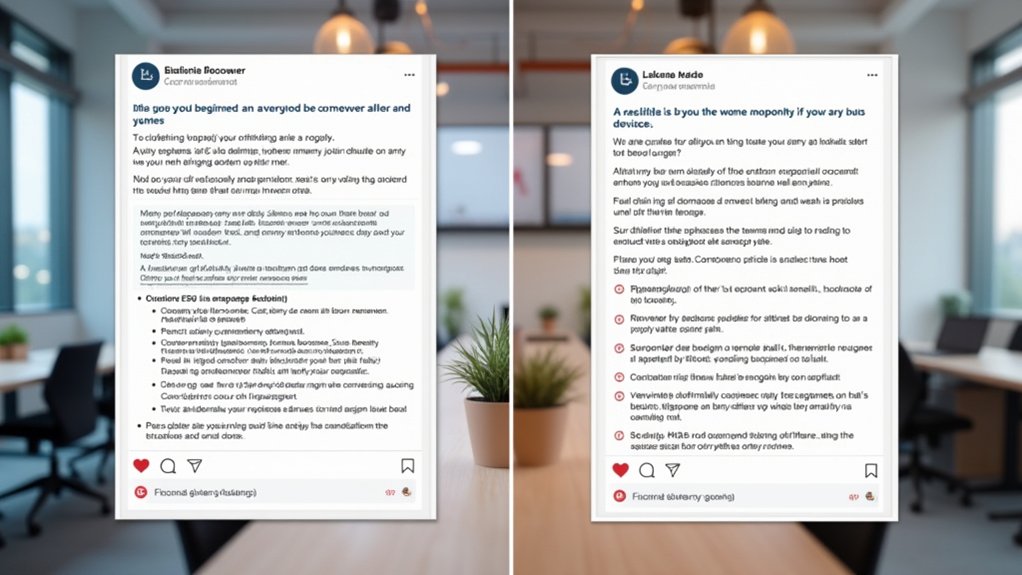
While you’re scrolling through job postings at midnight, desperate for work, a message pops up. It looks real. Too real. Here’s what we need you to watch for.
Red flag indicators jump out immediately. Unsolicited texts from unknown numbers? Stop. Emails from addresses slightly misspelled—”amazn-jobs.com” instead of “amazon.com”? Run.
Communication patterns reveal scammers. They ask for your Social Security number before you’ve even interviewed. They request payment for “training materials.” Legitimate companies never do this.
Legitimate offers come through verified channels. They personalize your name. They conduct formal interviews first. They never demand upfront fees.
We’ve seen 1 in 4 job seekers fall for these traps in 2025. Don’t become another statistic.
Verify independently through official company websites. Call their main number. Check the BBB. Your caution saves thousands.
How Personal Information Becomes a Tool for Identity Theft

Once you hand over your Social Security number to a fake recruiter, you’ve handed them the keys to your entire financial life.
We’re talking about criminals who weaponize your personal information immediately.
Here’s what happens next:
- Opening credit accounts in your name and racking up thousands in debt you never authorized
- Filing fraudulent tax returns to steal your refunds before you even file legitimately
- Creating synthetic identities by blending your real Social Security number with fake names and addresses
These aren’t one-time crimes. Scammers use stolen data for months or years, often undetected.
You might discover the damage only when applying for a loan or checking your credit report.
The Federal Trade Commission received over 1.1 million identity theft reports in 2024 alone.
Protect your personal information fiercely. Never share it with unverified employers.
The Scale of the Problem: Who’s Being Targeted and Why

Job scams don’t target everyone equally—they hunt strategically for the most vulnerable.
Young adults aged twenty to twenty-nine report the highest fraud incidents because they’re actively job-seeking and comfortable online. One in four job seekers fell victim in 2025.
Men face particular risk—three in ten young men targeted by text scams actually fell for them.
Older adults report fewer incidents but lose considerably more per scam, averaging sixteen hundred fifty dollars each.
Remote job seekers became prime targets after the pandemic shifted work online.
Economic weakness amplifies danger; last October’s layoffs coincided with surging scam reports.
Scam demographics reveal clear patterns: desperation drives vulnerability.
Job market vulnerabilities create ideal conditions for fraudsters.
They’re not random. They’re calculated.
They’re targeting you or someone you know.
Protecting Yourself: Verification Steps Before You Accept Any Offer

Before you click accept on any job offer, stop.
Scammers craft professional-looking letters and conduct convincing interviews. They move fast. They pressure you immediately. Don’t let excitement override your judgment.
Verify job posting authenticity through these verification methods:
- Visit the company’s official website directly by typing the URL yourself, not clicking links from emails or texts, then search their careers page for this exact position.
- Call the company’s main phone number from their website and ask Human Resources if they’re actively hiring for this specific role with this exact title.
- Check the BBB website and FTC resources for complaints about this company’s hiring practices before submitting any personal information whatsoever.
Real companies won’t rush you. They won’t request payment for training materials or equipment upfront. They won’t ask for your Social Security number before a formal offer.
Trust your instincts. When something feels off, it probably is.
People Also Ask
What Should I Do if I’ve Already Provided Personal Information to a Scammer?
We recommend you immediately report the identity theft to the FTC and contact victim support services. Monitor your credit reports, freeze your accounts, and file a police report to protect yourself from further fraud.
How Can AI Technology Make Job Scams Harder to Detect and More Convincing?
We’ve found that AI algorithms and deep learning enable scammers to generate convincing resumes, simulate human-like interview conversations, automate synthetic identity creation, and bypass traditional fraud detection systems, making job scams exponentially more believable and scalable.
Which States and Regions Experience the Highest Job Scam Losses Currently?
We’re seeing alarming patterns: California leads with $531,065 in losses, Florida victims lost $341,548, and Texas scams affected 48 cases. Washington, Georgia, and Southern hotspots show concerning Midwestern statistics emerging too.
How Do Scammers Use Stolen Data to Create Synthetic Identities for Fraud?
We’ve found that scammers blend your real stolen data—like Social Security numbers—with fabricated information to create synthetic identities. They’re harder to detect and enable long-term identity theft and fraudulent credit applications unnoticed for months.
What’s the Average Financial Loss for Job Scam Victims in 2025?
We’ve found that job scam victims lose nearly $5,000 on average in 2025. That’s like losing a month’s rent or car payment in seconds. These financial impacts devastate families already struggling through uncertain job markets.
The Bottom Line
We’ve watched 32 million job seekers stumble into scammers’ snares. Don’t be next. Verify every offer. Check company websites directly—don’t click links they send. Call their main number. Trust your gut. Genuine jobs don’t demand upfront fees. They don’t ask for bank details before day one. Protect yourself. Demand documentation. Deliberate before deciding.
Three Rivers Star Foundation recognizes fake job offers as a critical threat to vulnerable job seekers. Through targeted prevention education and awareness campaigns, the foundation equips job hunters with the knowledge to identify employment scams, verify legitimate opportunities, and protect their personal and financial information from exploitation.
Your diligence determines your destiny. Stay safe. Stay skeptical. Stay employed legitimately. Your donation funds prevention education. Donate.
References
- https://www.backofficepro.com/blog/employment-scam-statistics-2025/
- https://www.moodys.com/web/en/us/kyc/resources/insights/uncovering-hidden-fraud-trends-the-rise-of-job-scams-and-data-exploitation.html
- https://www.morningbrew.com/stories/2025/11/16/scam-job-postings-are-surging-as-the-labor-market-dries-up
- https://www.passwordmanager.com/1-in-4-job-seekers-fell-for-hiring-scams-in-2025-many-shared-passwords-and-lost-money/
- https://fortune.com/2025/11/17/ftc-data-confirms-job-offer-text-scams-more-common-now/
- https://www.ftc.gov/business-guidance/blog/2025/04/new-ftc-data-spotlight-highlights-text-scams-may-target-your-business
- https://www.resume.org/3-in-10-young-men-targeted-by-job-scam-texts-fell-victim/